Breeds6 min
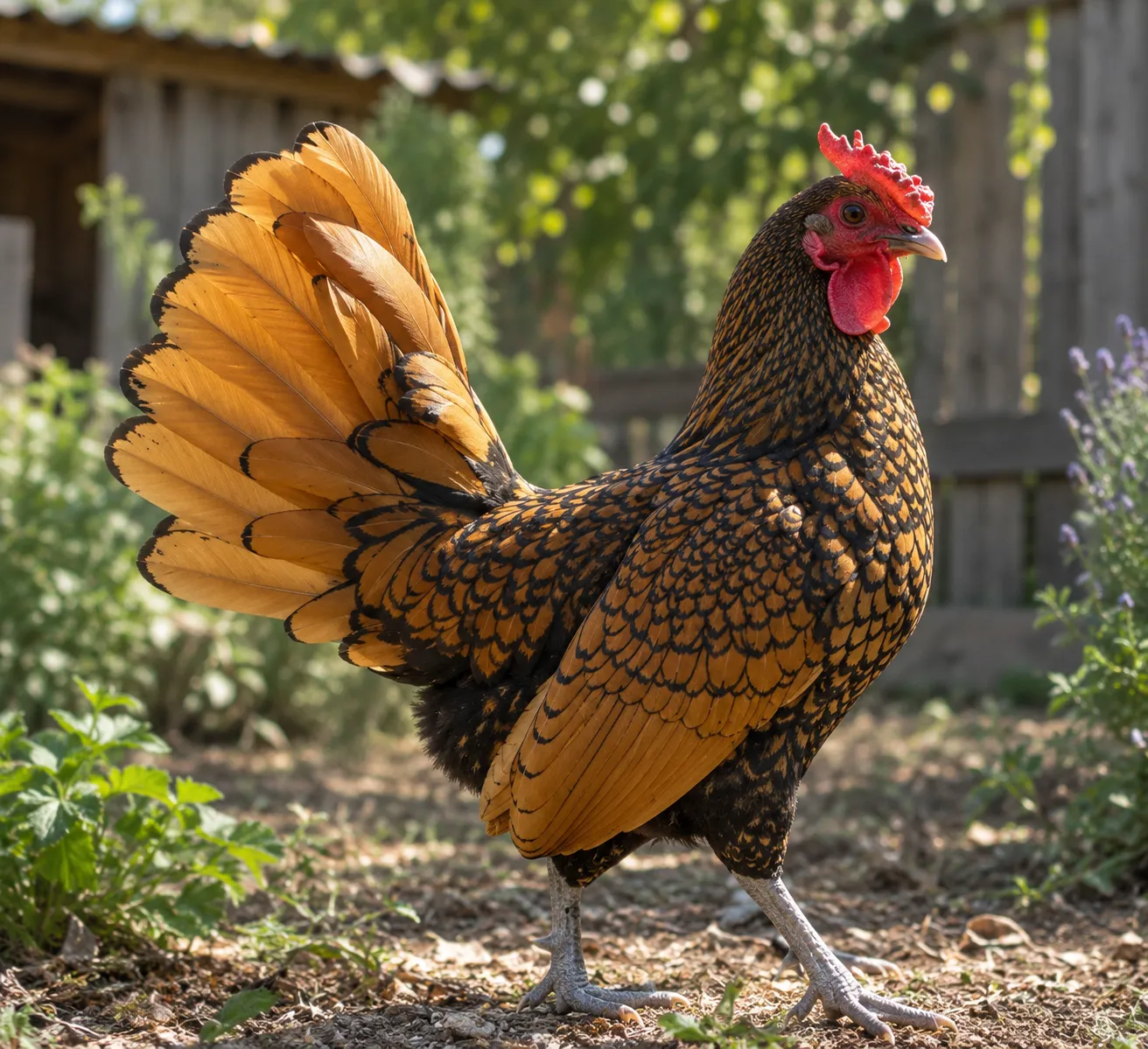
Sebright Chicken: Traits, Eggs and Care
Sebright: a true bantam ornamental breed with gold or silver, black-laced feathers. Origin, weight, 50–80 eggs a year, care and broodiness.
Kümes NotlarıRead
For poultry enthusiasts
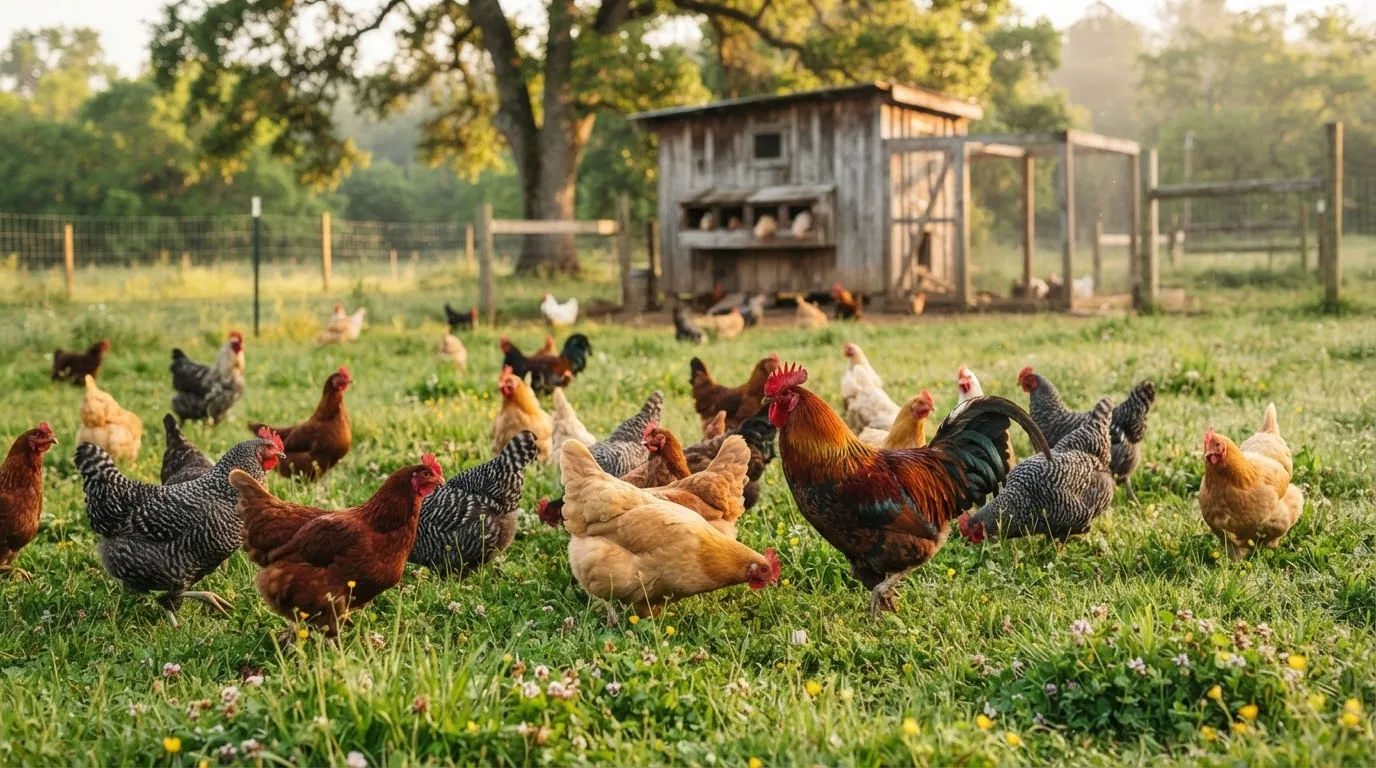
Care for chickens, turkeys, geese, ducks and quail: from building a coop to incubation, feed and health — up-to-date, sourced information for poultry enthusiasts.
Topics
Practical calculators
Free tools that run in your browser, from hatch dates to coop space.
See the turning, candling and hatch days based on the date you set your eggs.
Open the calculatorIndoor space and yard by species and number of birds; roost, nest box, feeder and waterer sizes for laying hens.
Open the calculatorDaily, weekly and monthly feed and water needs for chickens, broilers, ducks, turkeys and quail.
Open the calculatorArticles are translated from the Turkish originals.
Sebright: a true bantam ornamental breed with gold or silver, black-laced feathers. Origin, weight, 50–80 eggs a year, care and broodiness.
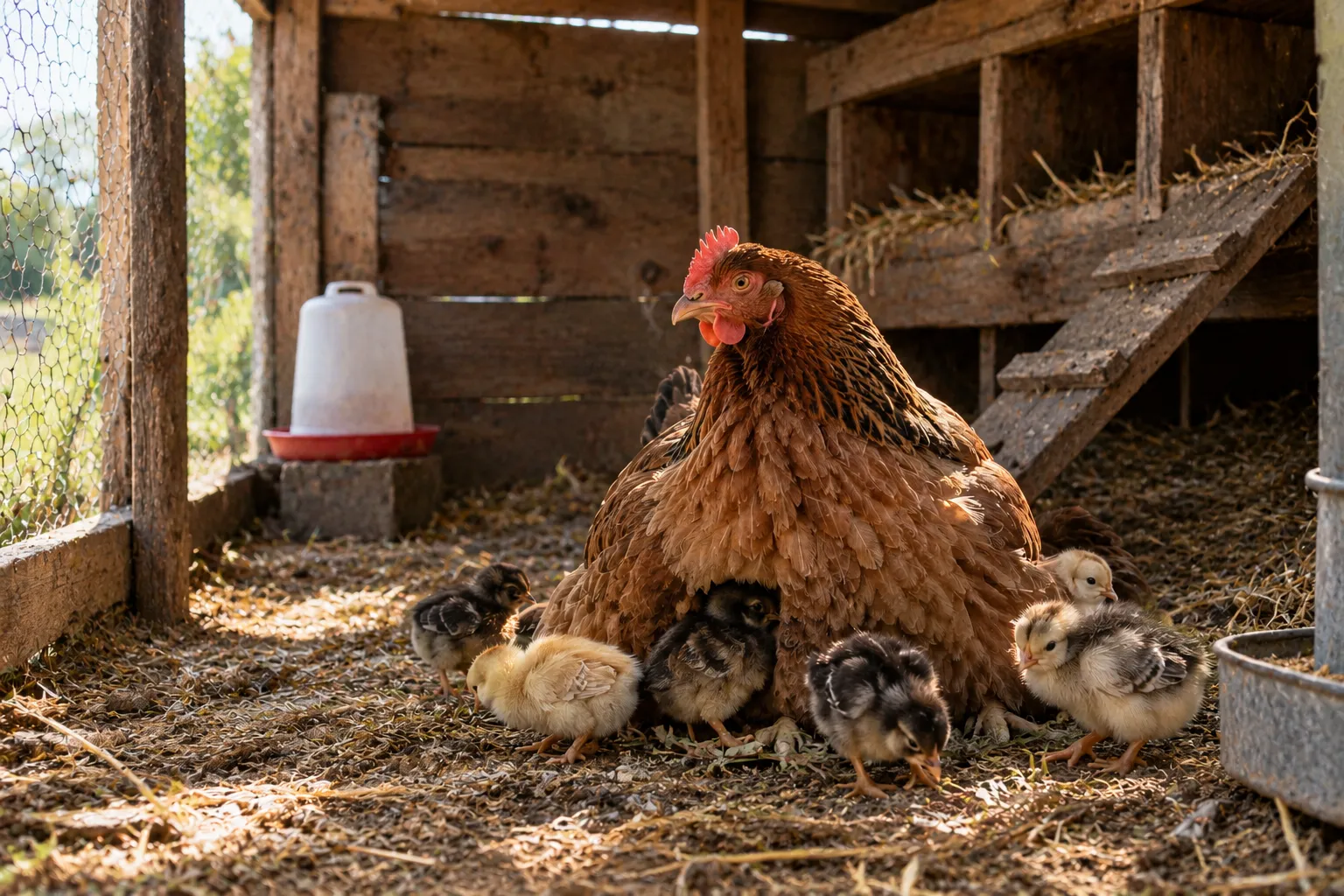
Chickens 21 days, turkeys and ducks 28, geese 28–34, Muscovy ducks 35–37, Japanese quail 17: incubation periods of poultry and what affects hatch timing.
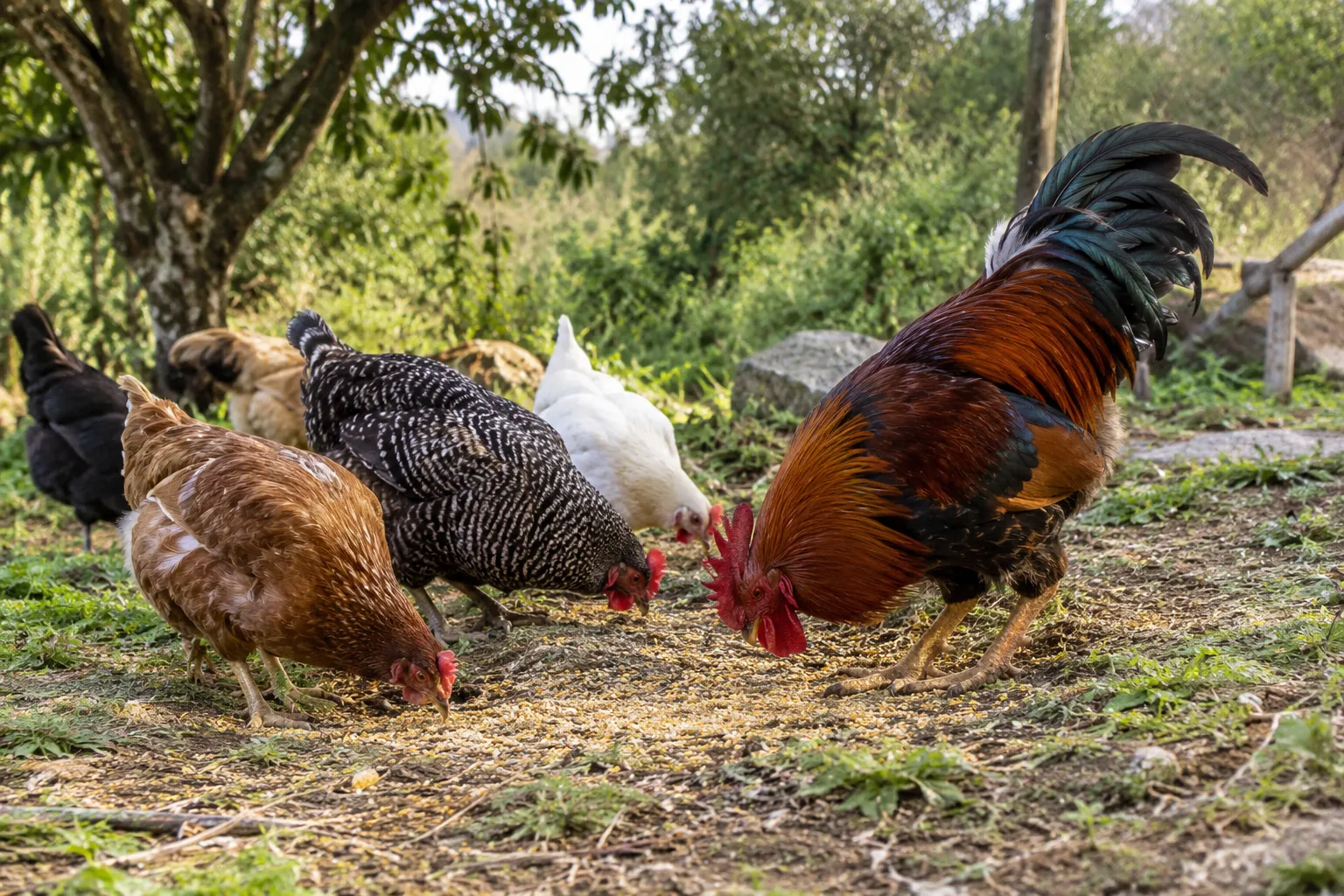
Laying hens usually eat 80–120 g (2.8–4.2 oz) of feed a day and drink about twice that in water. Amounts by breed, age, roosters and hot weather.
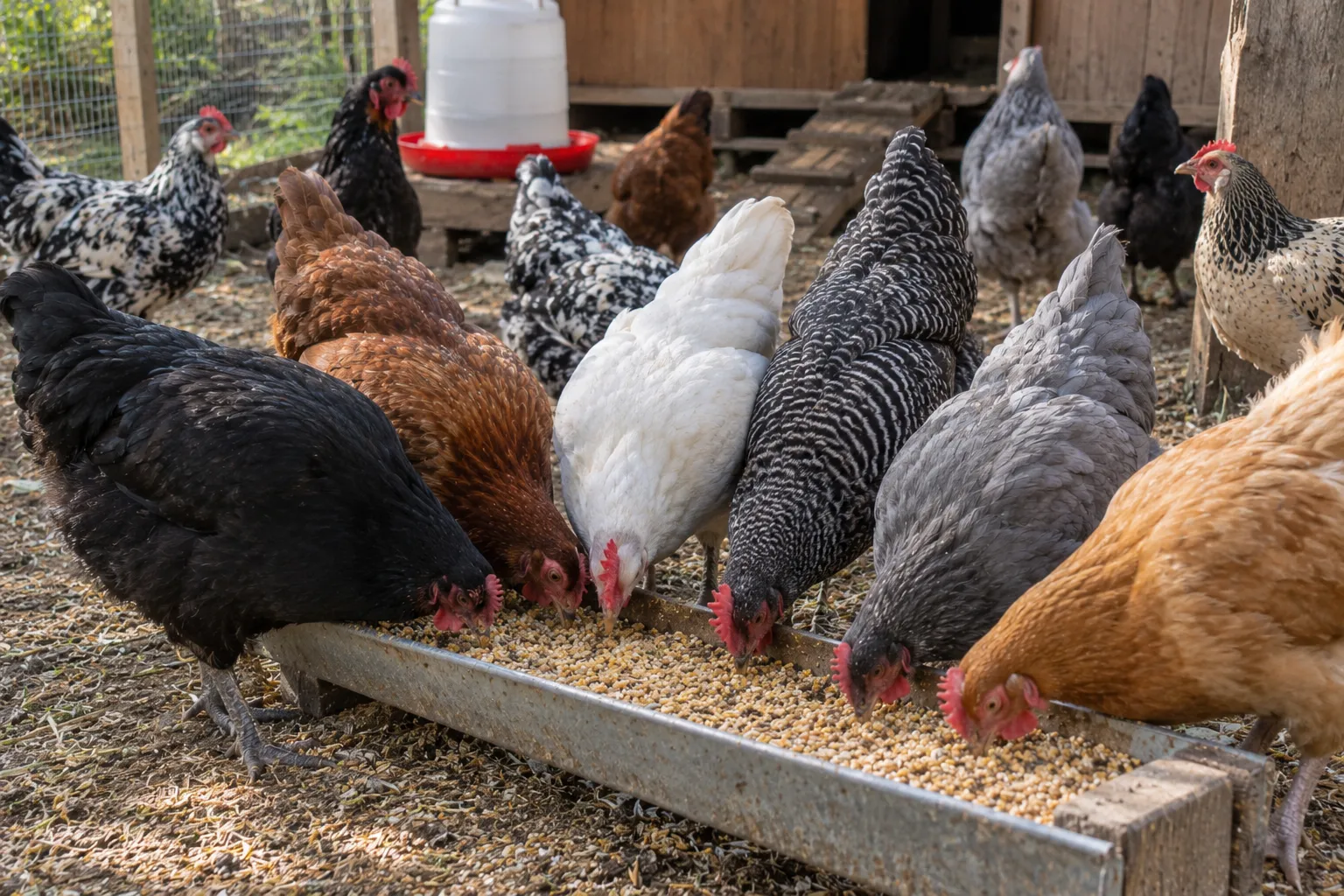
Chicken nutrition basics: energy, fat, protein and amino acids, vitamins, minerals, calcium, and water, plus feed ingredients and feed values by age.
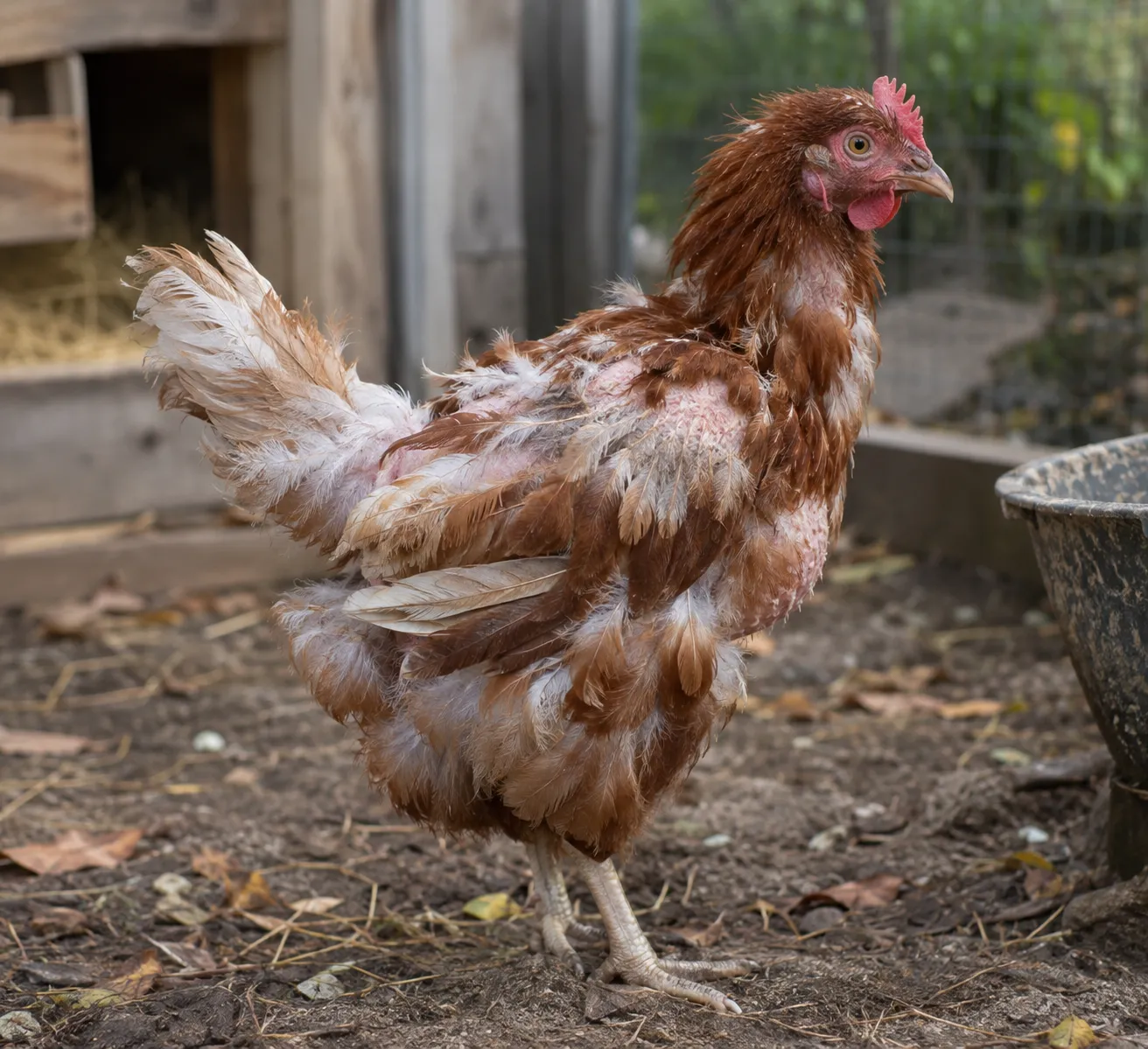
Molting in chickens is a natural process most often seen in the fall. When it starts, why hens molt, how it affects egg production and the return to laying.
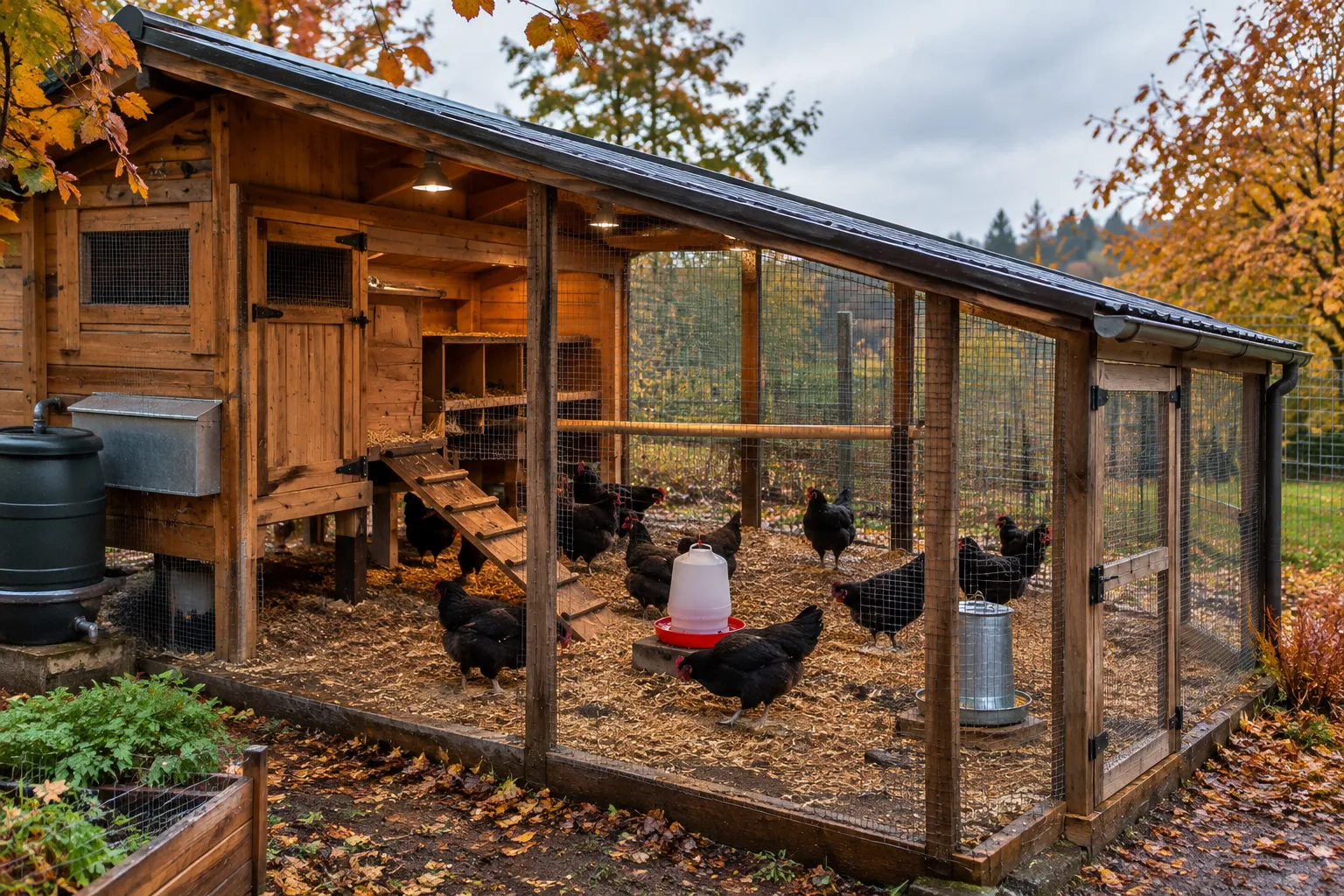
Autumn poultry care: 8 key areas to check, from cold nights, damp litter and ventilation to feed, shorter days, molt, water and early signs of disease.
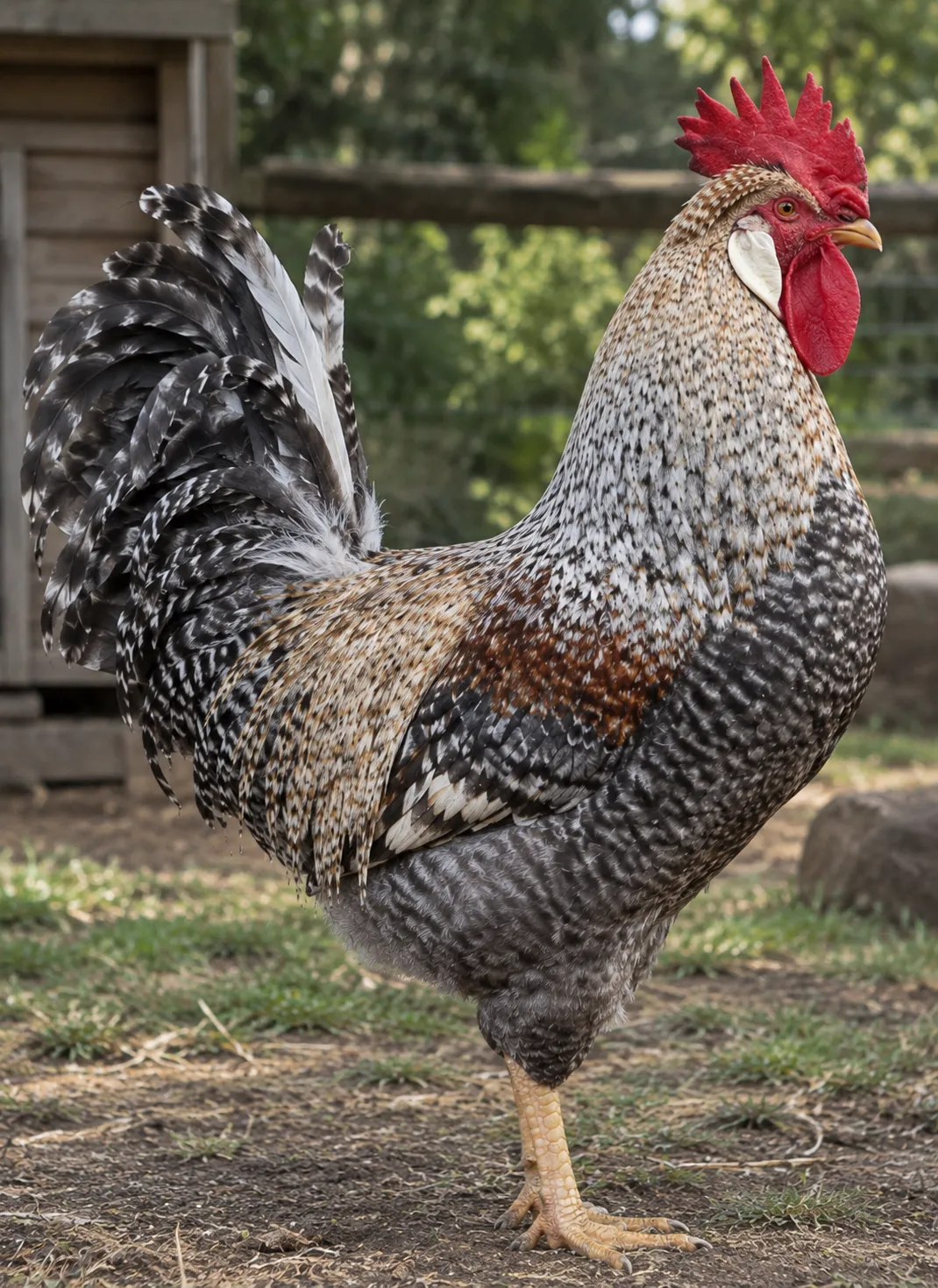
Cream Legbar chickens: a crested, autosexing British breed that lays blue eggs. Origin, appearance, egg production, temperament and buying tips.
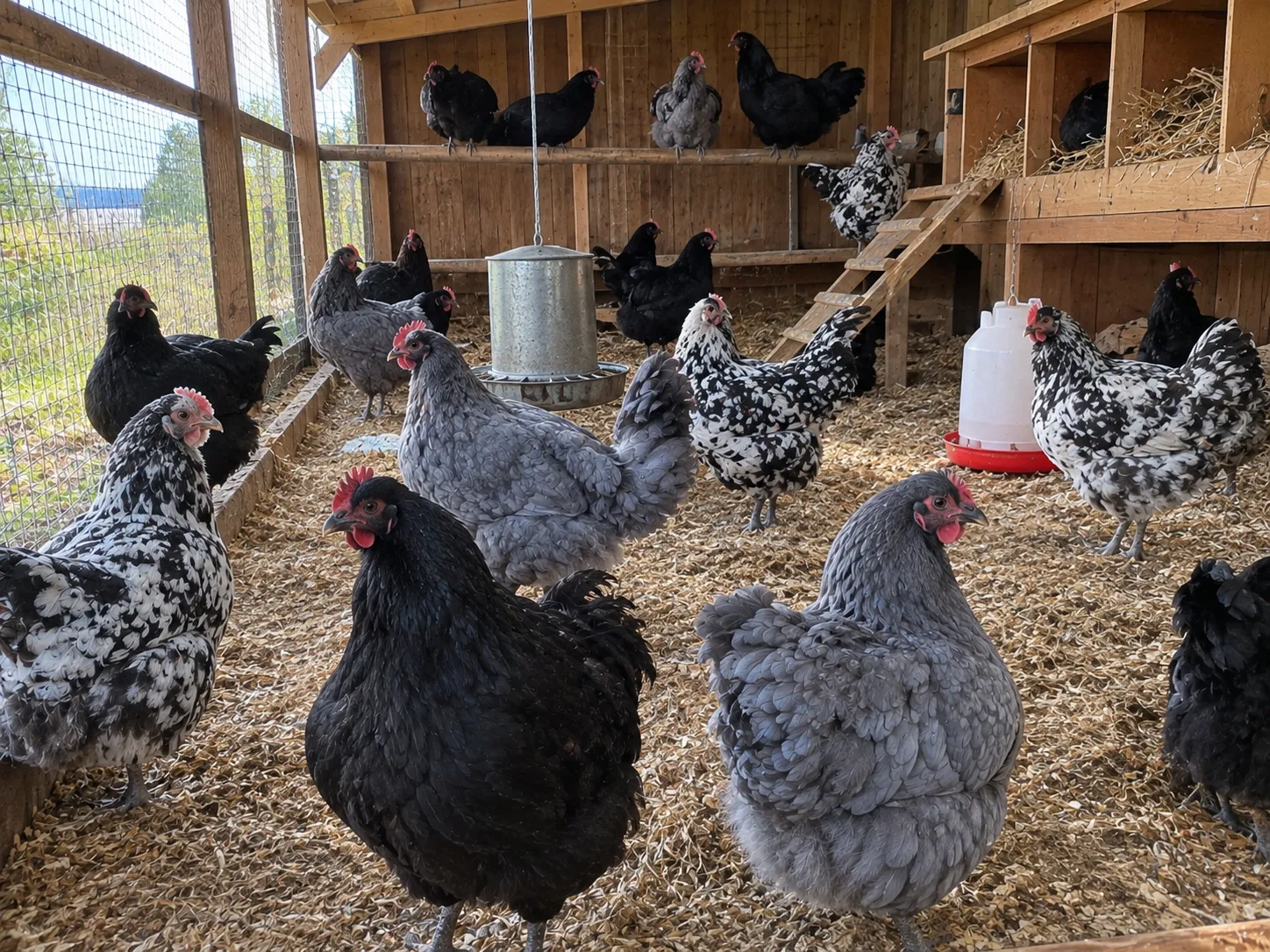
How the Blue (Bl) gene links black, blue and splash chickens: incomplete dominance, one vs. two copies, and the 25/50/25 ratio from blue × blue matings.
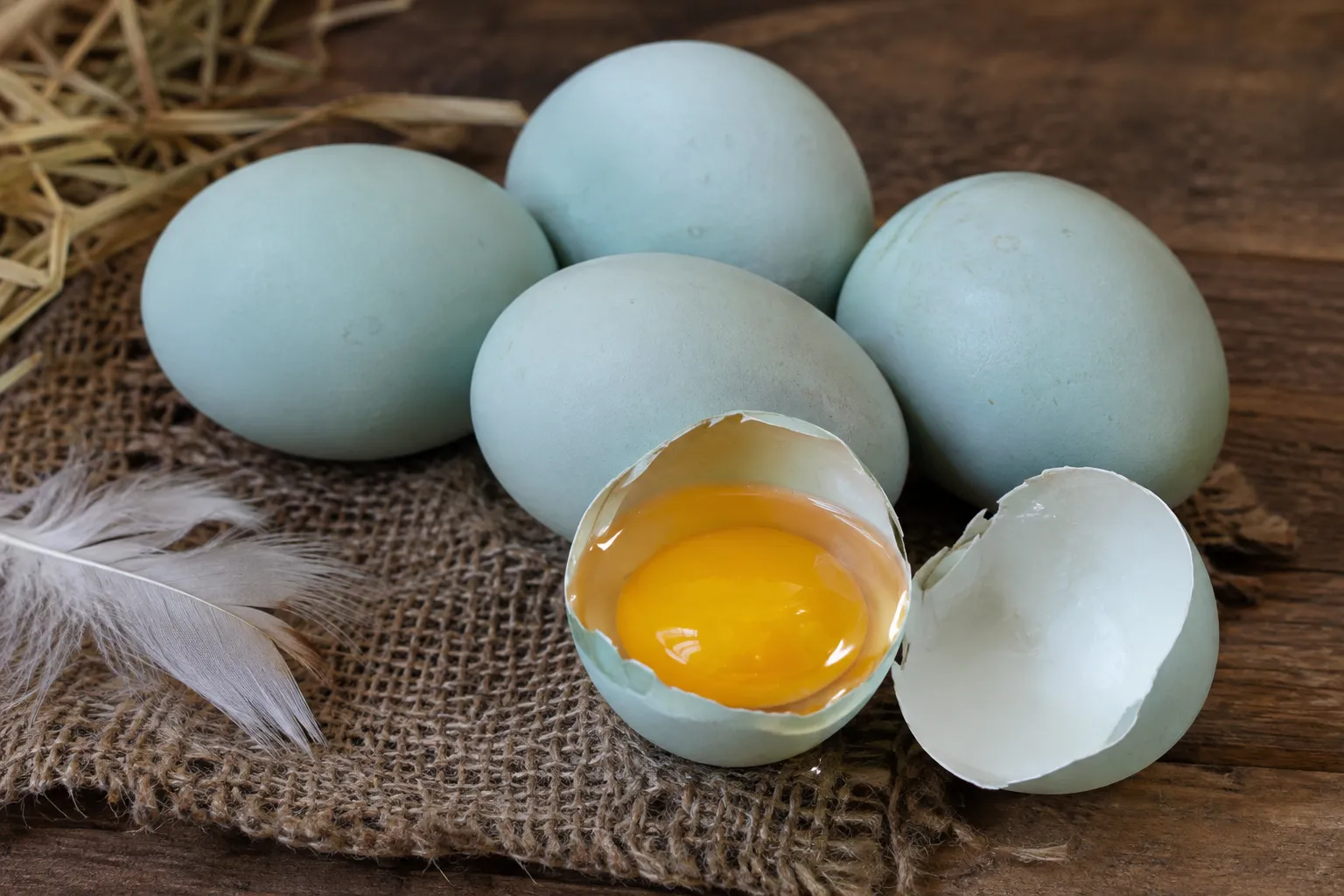
Why do some hens lay blue eggs? Where the trait arose, how biliverdin colors the shell, how blue eggs differ from others and whether they're more nutritious.
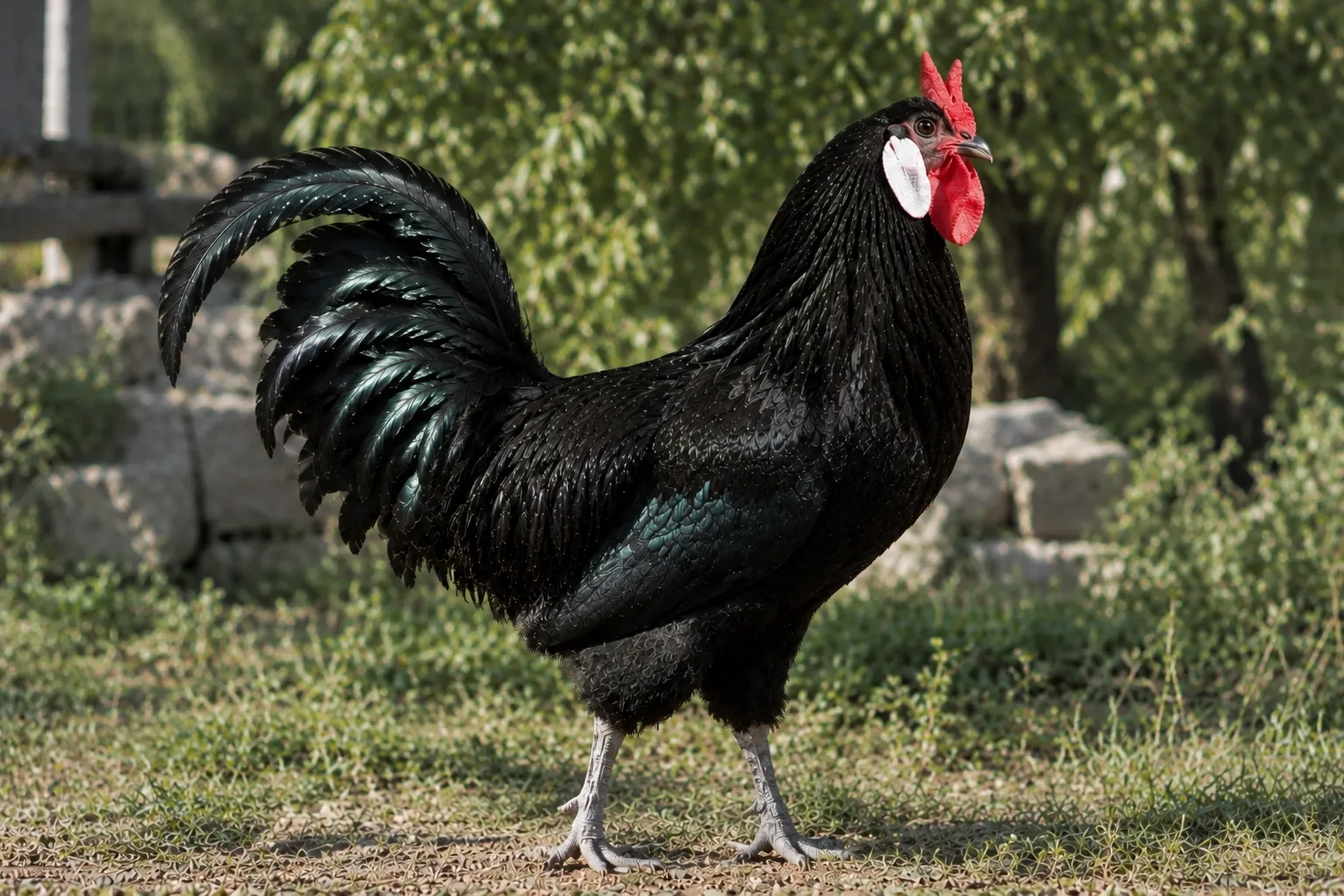
Gerze (Hacikadi) chicken: a native Turkish breed from Sinop with glossy black plumage and a V comb. Egg and meat yield, appearance and genetic value.
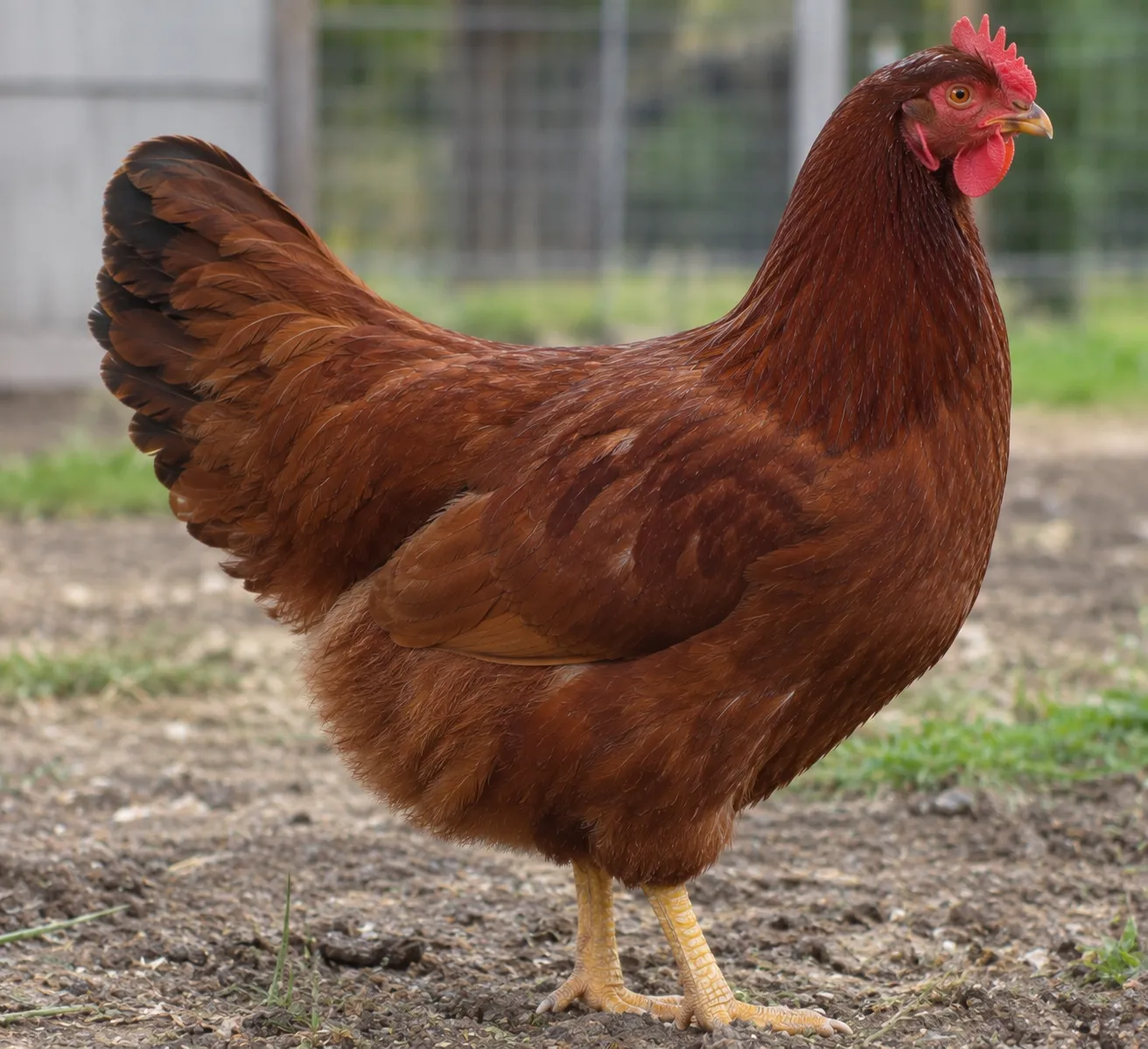
Rhode Island Red chickens: an American dual-purpose breed known for large brown eggs and hardiness. Egg production, temperament, pros and cons.
Chicken naming basics: what species, breed, variety, strain/line, crossbreeding, crossbred and hybrid mean, with examples, in one simple table.