Getting Started
8 Key Things to Watch in Autumn Poultry Care
Autumn poultry care: 8 key areas to check, from cold nights, damp litter and ventilation to feed, shorter days, molt, water and early signs of disease.
Published: · 4 min read
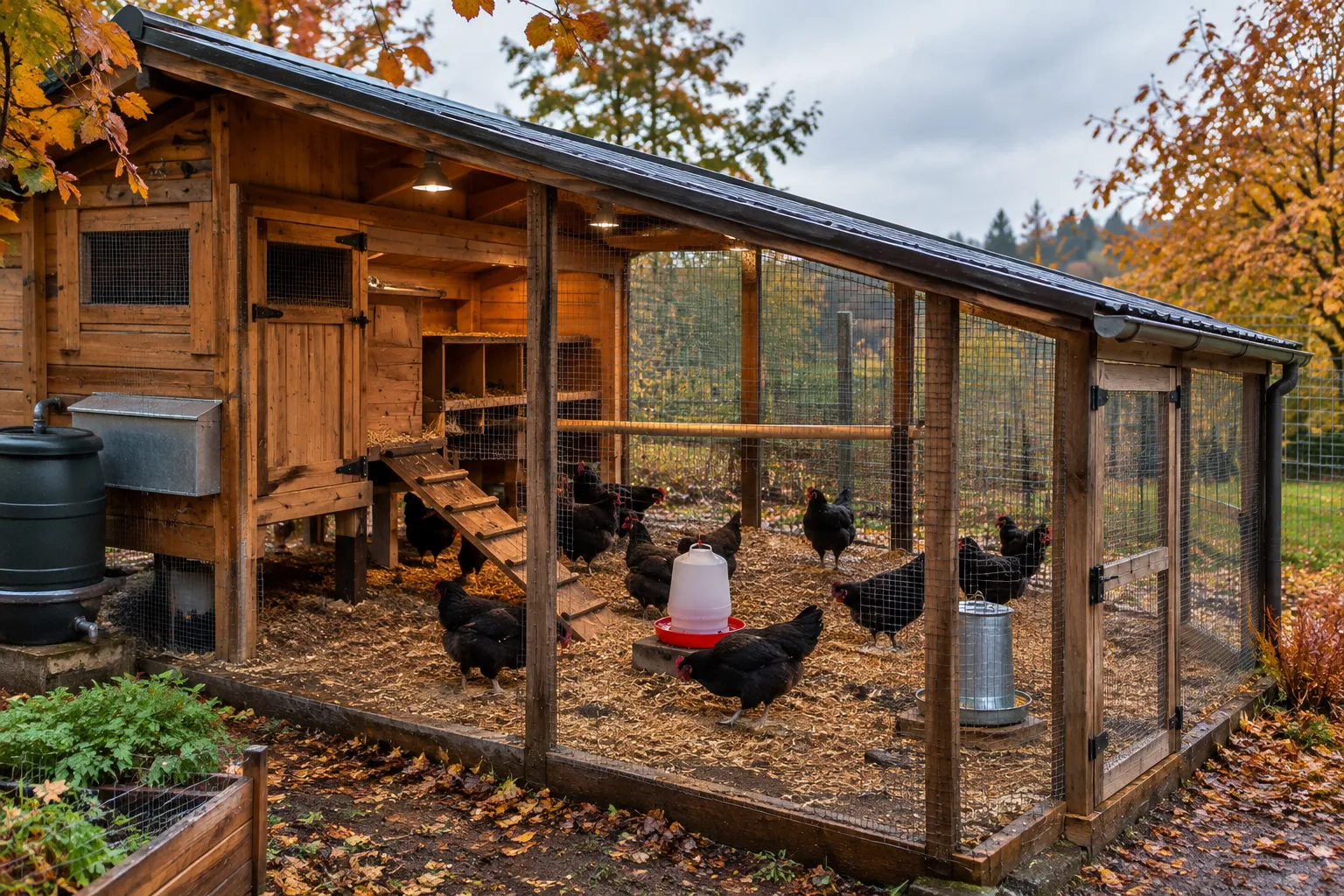
8 Key Things to Watch in Poultry During Autumn
1. Prepare for falling temperatures and day–night differences
In autumn, days can be mild and nights cold. Sudden changes can especially affect chicks, young birds and weak individuals.
-
Measure the minimum and maximum temperature in the coop.
-
Check for openings in the roof, doors and walls.
-
Keep cold air from blowing directly onto the birds.
-
Provide chicks with heat appropriate to their age.
The temperature needs of poultry vary with age and feather cover. The fact that adult chickens can tolerate cold does not mean that a damp or drafty environment is suitable for them.
2. Keep litter dry and prevent moisture buildup
Rain and reduced ventilation can make the litter damp. Wet litter increases the risk of foot pad problems, bad odors and ammonia buildup.
- Regularly remove wet material around the waterers.
- Fix roof leaks and any places where water gets in.
- Add clean, dry litter when needed.
- Check the lower layers of the litter as well.
Important: Do not shut off ventilation completely in an effort to protect the coop from the cold.
3. Monitor feed intake and nutrition
As the weather gets colder, the energy birds need to maintain their body temperature may increase. However, that need depends on temperature, housing conditions, activity and production level.
- Use a balanced feed suited to the birds’ age and production purpose.
- Protect feeders from rain and moisture.
- Track daily feed intake.
- Make sure laying hens get enough calcium and other essential nutrients.
- Do not use moldy or damp feed.
Warning: Instead of haphazardly increasing fat, grain or supplements just because the cold has arrived, assess the birds’ body condition and feed intake.
4. Watch shorter days and egg production
In autumn, the decrease in natural daylight can affect the reproductive system and laying pattern of laying hens. In some flocks, the number of eggs may drop.
- Record the daily egg count.
- If you use lighting, keep the timing consistent.
- Do not suddenly lengthen or shorten the light period.
- Watch for thin-shelled eggs and changes in feed intake.
Note: Egg production does not depend on day length alone; age, breed, nutrition, molt and disease can also play a role.
5. Manage the molting period properly
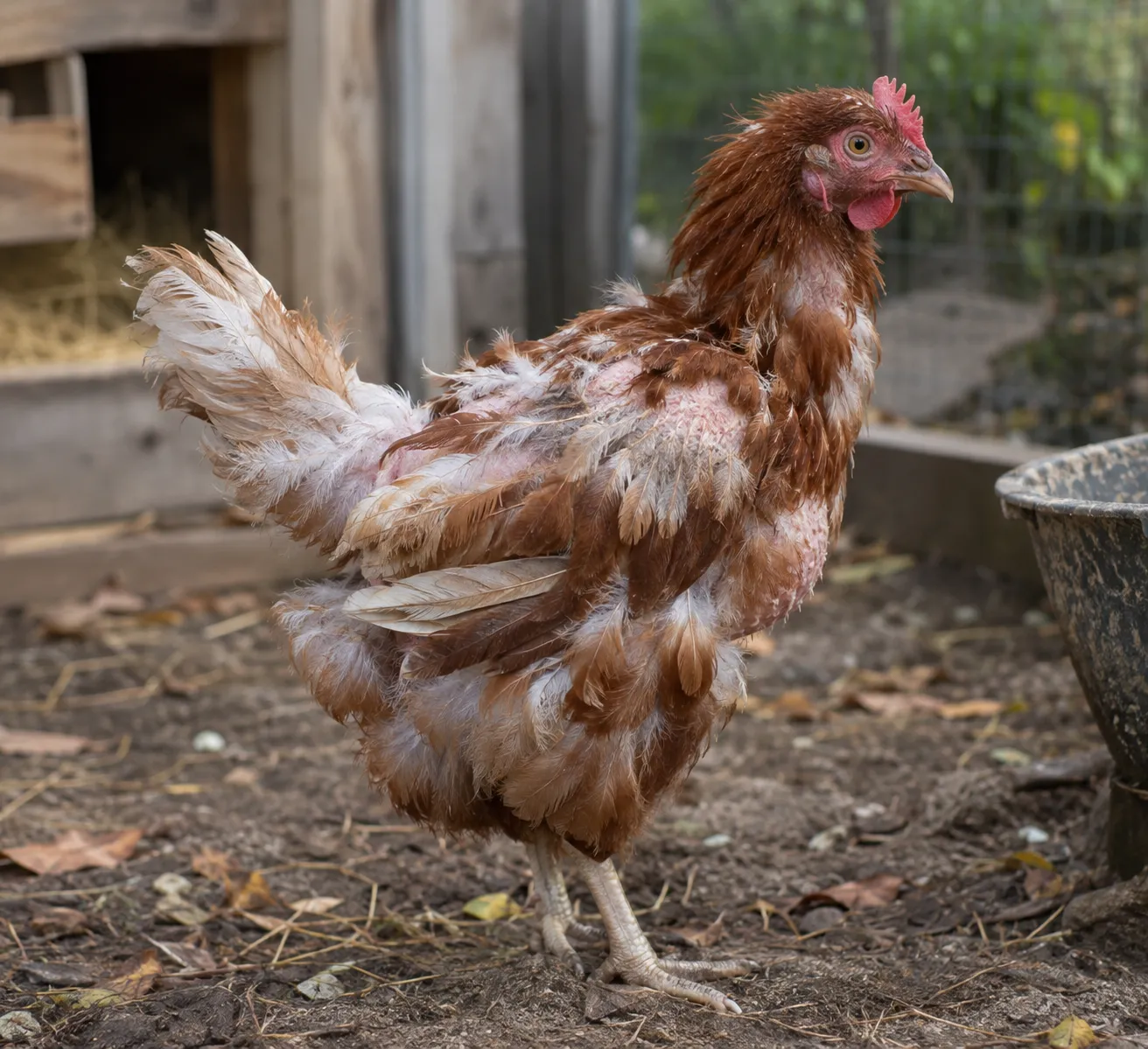
For some adult hens, autumn may coincide with the period when their feathers are renewed. During this process, egg production may decrease or stop temporarily.
- Observe how widespread the feather loss is and how the new feathers are coming in.
- Feed a balanced ration that provides enough protein and amino acids.
- Check the skin for wounds, itching or signs of parasites.
- Do not attribute marked weight loss or prolonged drops in production to molting alone.
Important: Not all feather loss is seasonal; parasites, stress and nutritional problems can cause similar signs.
6. Check water quality and waterers
When the weather cools, water intake may drop compared with hot summer days; however, access to water should never be restricted.
- Keep clean water available at all times.
- Clean waterers regularly.
- Keep rainwater and droppings from getting into the water.
- Take precautions against the water freezing on cold nights.
A sudden drop in water intake can be a sign of illness, but it can also be caused by clogged waterers, so be sure to check the waterers.
7. Pay attention to rain, mud and outdoor hygiene
Wet runs, mud and contaminated water can harm foot health and the hygiene of the surroundings.
-
Prevent water from pooling in the outdoor area.
-
Provide a dry resting area and a place to shelter from the rain.
-
Clean muddy and dirty areas regularly.
-
Do not place feeders directly on the ground.
-
Keep wild birds from reaching the feed and water.
8. Spot signs of disease and parasites early
Autumn on its own does not cause disease. However, a damp environment, stress, inadequate ventilation and gaps in biosecurity can increase health risks.
- Observe appetite, droppings, breathing and activity every day.
- Check the base of the feathers, the skin surface and the area around the roost.
- Quarantine new birds.
- Keep up measures such as cleaning equipment and preventing contact with wild birds.
Sources
- Ammonia emissions, impacts, and mitigation strategies for poultry production: A critical review (2023).
- An assessment of the impacts of litter treatments on the litter quality and broiler performance: A systematic review and meta-analysis (2020)
- Effect of Lighting and Photoperiod on Chicken Egg Production and Quality (2017).
- van der Klein, Zuidhof and Bédécarrats (2020)
- Nutritional manipulation to combat heat stress in poultry
- World Organisation for Animal Health (WOAH), Avian Influenza.
Have a question about this topic? Email us via the contact page.