Breeds
Plymouth Rock Chicken: Traits, Productivity and Temperament
Plymouth Rock chicken: a calm, large, cold-hardy American dual-purpose breed. Egg and meat production, temperament, color varieties, pros and cons.
Published: · 7 min read
Contents (13)
- 01Size and live weight
- 02What are the eggs like?
- 03Meat yield and meat quality
- 04What is its temperament like?
- 05How does it do free-range?
- 06How well does it tolerate cold and hot weather?
- 07Does it go broody?
- 08Do the chicks grow fast?
- 09Color varieties
- 10Why is the Barred Plymouth Rock especially interesting?
- 11Advantages for the hobby keeper
- 12Disadvantages
- 13Conclusion
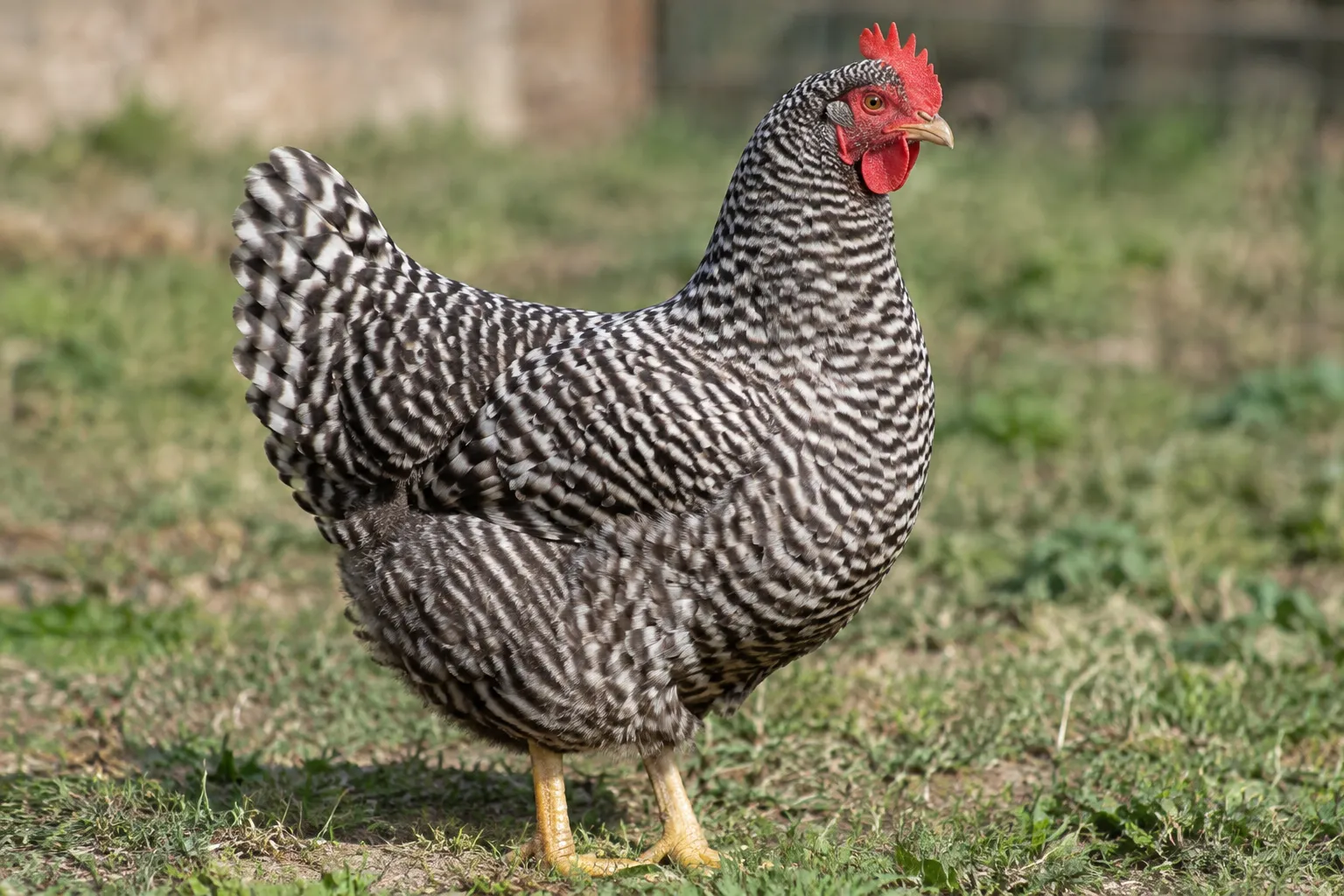
 The history of the Plymouth Rock goes back to the United States in the mid-19th century. Historical records on the breed’s origin do not fully agree on a single story.
Dominique, Black Java, Cochin, Brahma and some other breeds are believed to have played a role in its development. Genetic studies particularly support contributions from the Dominique, Black Java and Cochin. The first Plymouth Rocks had a barred pattern; other color varieties were developed later. In 1874 the breed was admitted to the American Poultry Association’s Standard of Perfection (the official book of breed standards for poultry breeding and shows in North America). In the first half of the 20th century it became one of the most common chickens in America. Its ability to provide both eggs and meat was a big advantage, especially on farms.
Size and live weight
The Plymouth Rock is not a small backyard chicken; it is large and heavily built.
| Bird | Approximate weight |
|---|---|
| 🐓 Rooster | 4.3 kg (9.5 lb) |
| 🐔 Hen | 3.4 kg (7.5 lb) |
| Cockerel | 3.6 kg (7.9 lb) |
| Pullet | 2.7 kg (6.0 lb) |
These are approximate values from the American standards. Actual weight can vary with the line, raising conditions, age and feeding. Some Plymouth Rock lines raised for meat can reach higher live weights.
What are the eggs like?
The Plymouth Rock is generally a good layer, but the purebred should not be confused with modern commercial laying hybrids.
- Color: Brown / light to dark brown
- Size: Large
- Weight: about 60–70 g (2.1–2.5 oz)
- Annual production: roughly around 200
- Production declines with age.
An important point here: Not every Plymouth Rock lays the same number of eggs. The breeder’s line, selection, feeding, day length and age make a big difference. University sources also note that some lines have been selected for eggs and others more for meat.
Meat yield and meat quality
One of the Plymouth Rock’s biggest advantages is that it is not only a laying hen.
Its body has:
- a broad back,
- a deep breast,
- a full body,
- good muscling.
That is why it has traditionally been valued as a table bird as well. Especially before fast-growing modern meat hybrids appeared, the Plymouth Rock was a very important chicken on farms for its meat + eggs combination. In fact, the White Plymouth Rock has been one of the key parent lines used in the development of the modern broiler industry. Crosses of the White Plymouth Rock with Cornish lines are among the combinations that form the basis of modern broiler production.
For the hobby keeper: When raised for meat, it is not as fast or economical as a modern broiler (commercial chickens developed through specialized genetic selection and breeding programs for meat production, able to reach a high live weight in a very short time); but if you are thinking “I want eggs, and a good table bird when needed,” it is a much more balanced breed.
What is its temperament like?
Perhaps one of the Plymouth Rock’s best-loved traits is its temperament.
It is generally a chicken that is:
- calm,
- docile,
- able to get used to people,
- not much trouble within the flock,
- curious,
- active but not overly flighty.
For this reason it is considered one of the suitable breeds for first-time chicken keepers as well. Once used to people, it may follow its owner around and can become a very enjoyable backyard chicken when free-ranging. There is one exception, though: there is no rule that every Plymouth Rock rooster will be calm. Although the breed is generally considered docile, individual differences in temperament matter a lot. That is why it is important not to keep aggressive roosters in the flock when choosing breeding stock.
How does it do free-range?
Given enough space, it loves to explore its surroundings and forage. The Livestock Conservancy (a US-based nonprofit organization dedicated to conserving and promoting endangered heritage livestock and poultry breeds) also notes that the breed enjoys free-ranging, but can adapt to confinement when given enough space.
How well does it tolerate cold and hot weather?
The Plymouth Rock has good cold hardiness. One important reason is that it feathers quickly and early. But there is an important detail: it does well in winter, yet its comb still needs protection. Because its single comb is quite prominent, the risk of frostbite in very severe cold is not completely eliminated.
It can also be raised in hot climates; however, because of its large body, especially in summer, attention should be paid to conditions such as:
- shade,
- clean and plentiful water,
- good ventilation,
- a coop that is not overcrowded.
Does it go broody?
Yes.
Plymouth Rock hens can show a brooding instinct and can be good mothers. Depending on the line, broodiness may be seen less or more often in the flock.
Do the chicks grow fast?
Plymouth Rock chicks feather early and develop relatively quickly. The Livestock Conservancy cites the chicks’ rapid feathering and their reaching a well-developed stage in about 8–12 weeks as one of the breed’s advantages. This trait is one of the reasons the Plymouth Rock was valued as a meat chicken in the past.
Color varieties
The Plymouth Rock is not just a black-and-white striped chicken.
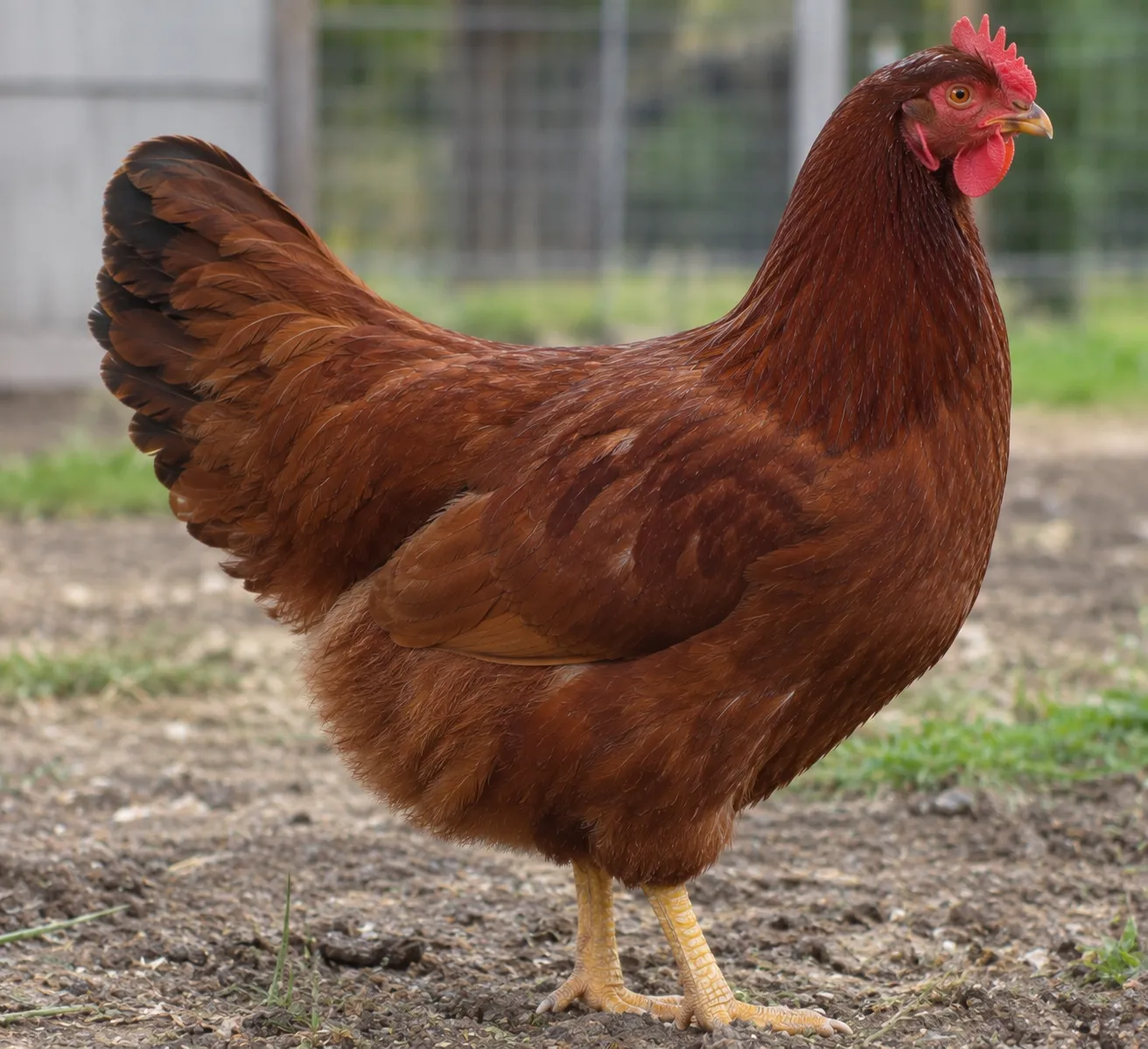
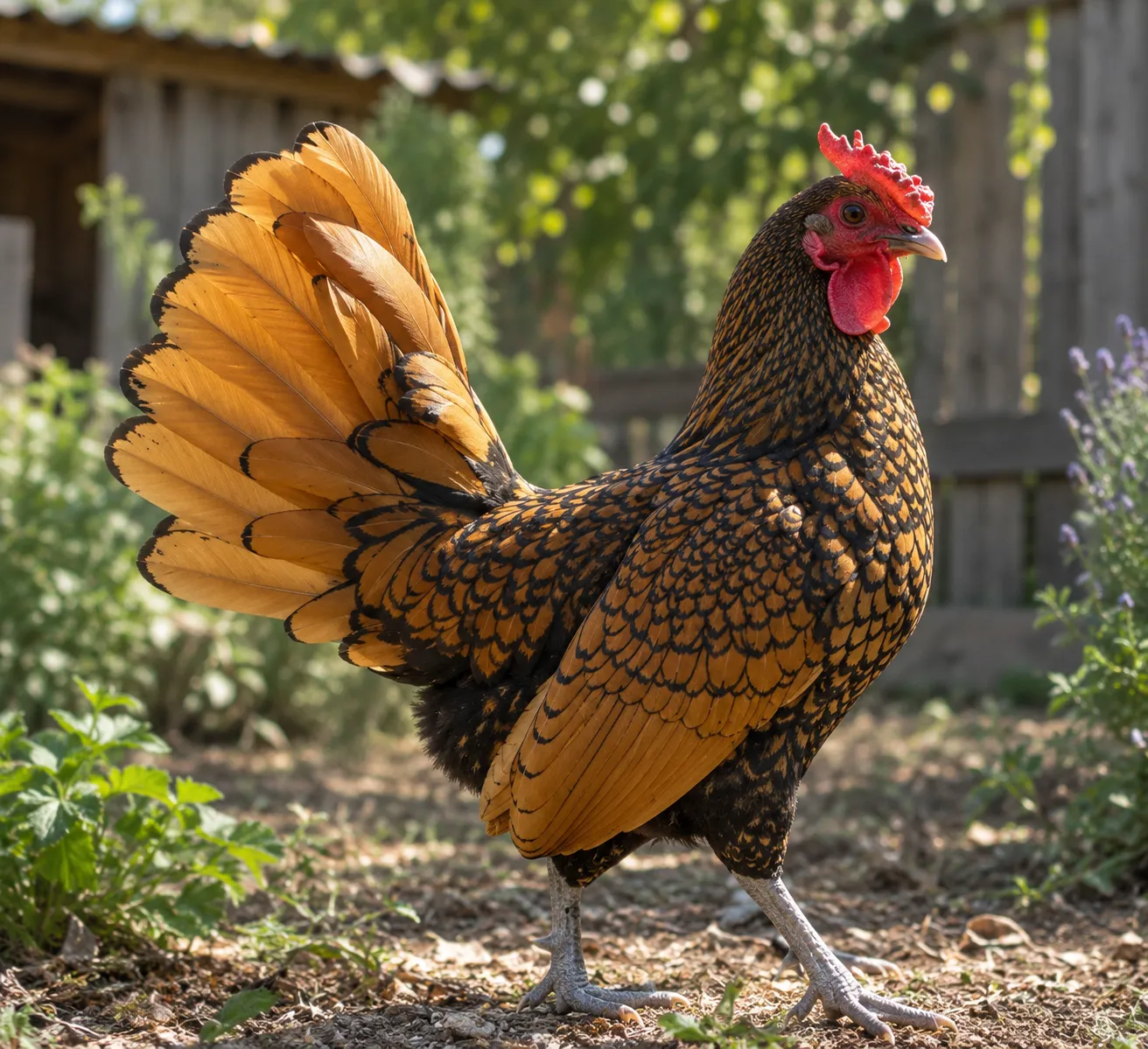
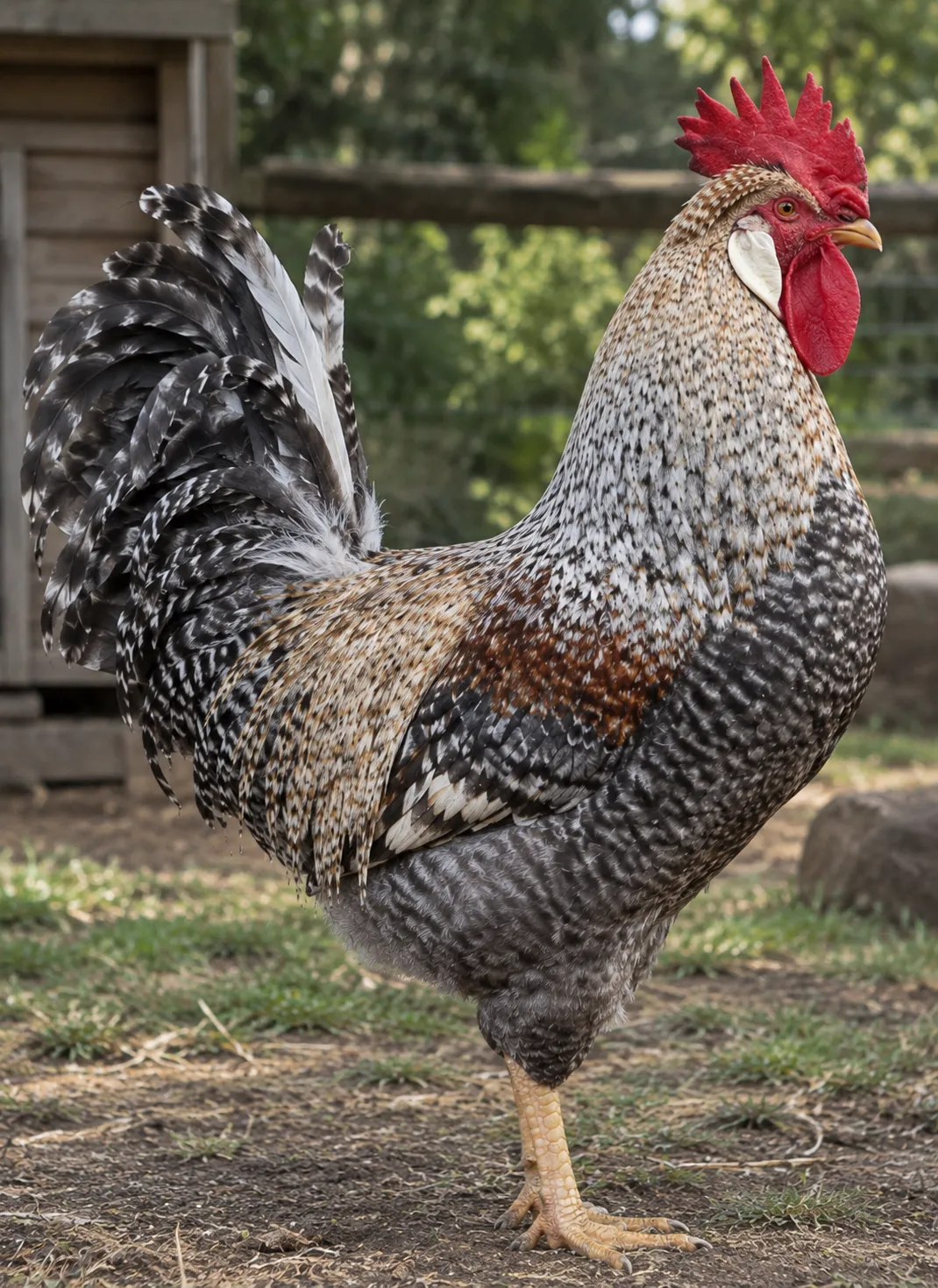
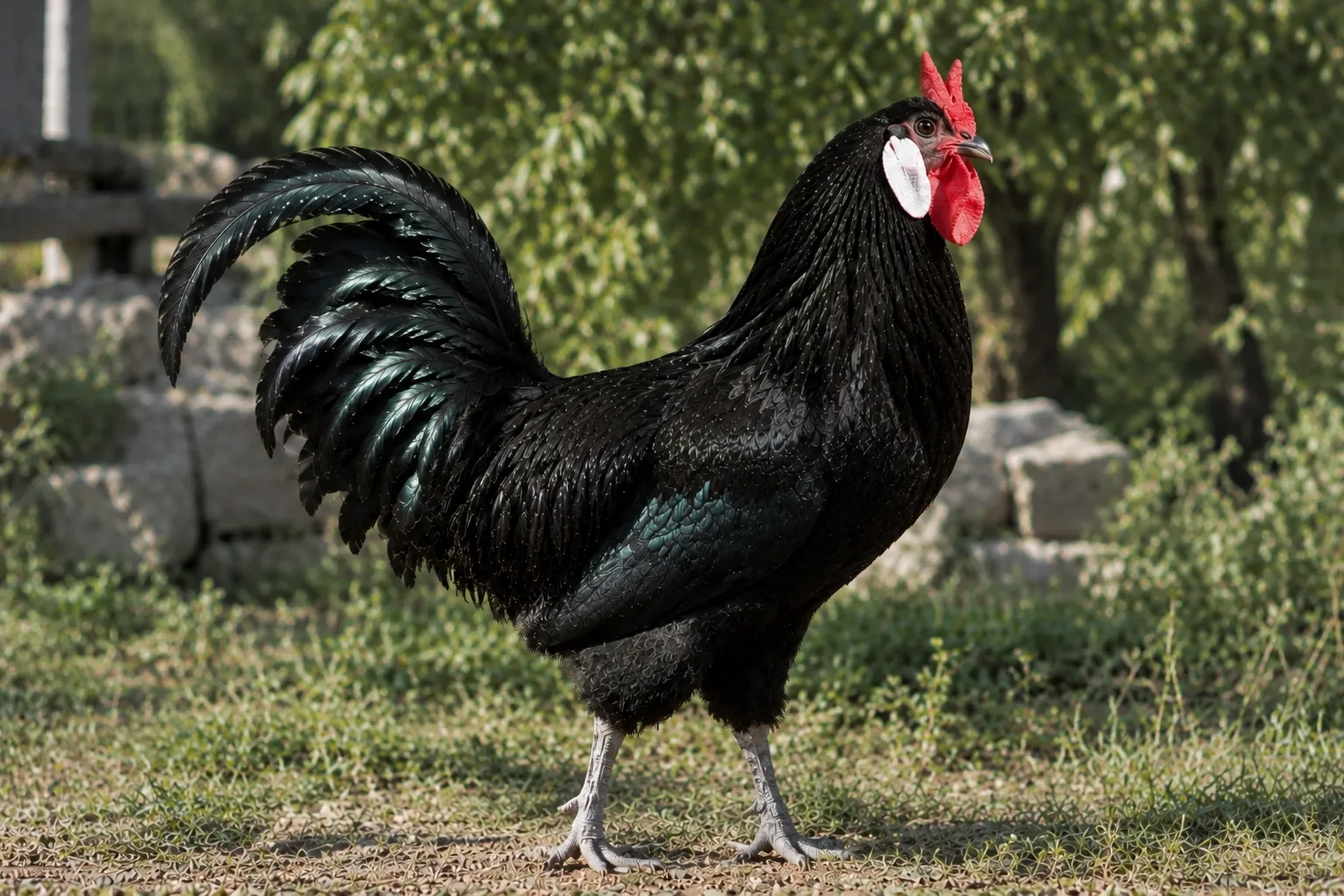
The American standard recognizes these 7 color varieties:
- Barred
- White
- Buff
- Silver Penciled
- Partridge
- Columbian
- Blue
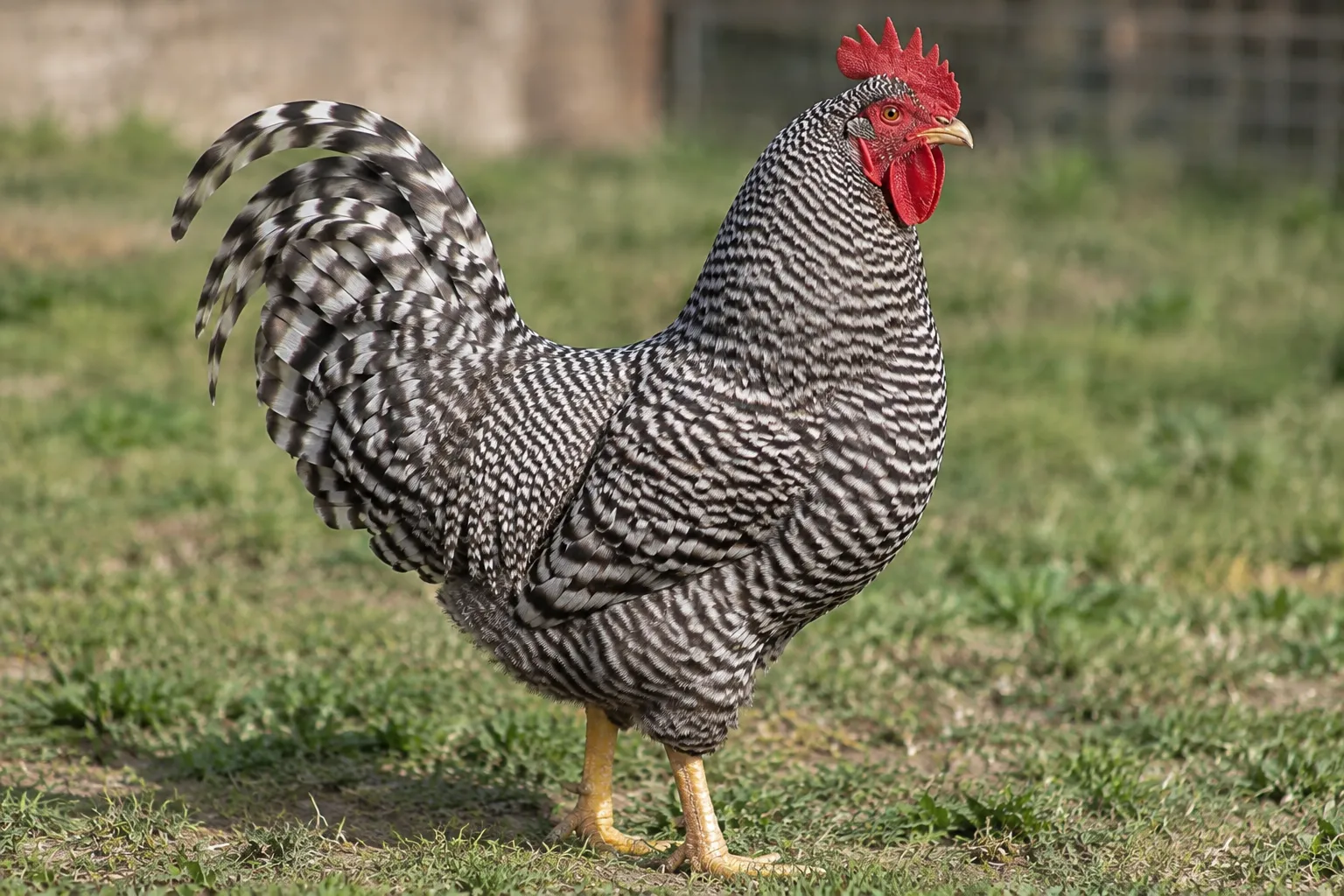
The barred variety is historically the first and best-known type of Plymouth Rock.
Why is the Barred Plymouth Rock especially interesting?
The barred feather pattern matters for more than its good looks; it is controlled by a sex-linked gene. Because of this trait, Plymouth Rock lines have been used in autosexing systems that, in certain crosses, help tell the sex of chicks apart at an early age.
Advantages for the hobby keeper
Pros
- Good egg production
- Large brown eggs
- Good meat yield
- Large body
- Calm temperament
- Gets used to people easily
- Cold-hardy
- Well suited to free-ranging
- Can have good brooding and mothering ability
- Chicks feather quickly
- Suitable for beginners
- Comes in a range of color varieties.
Disadvantages
It is not a commercial laying hen
Around 200 eggs a year is quite a good figure; but it is not at the level of modern laying hybrids.
It does not grow as fast as a commercial broiler
It can be used for meat, but it does not serve the same production purpose as modern broilers such as Ross/Cobb.
Not ideal for very small spaces
Since it is a large and active chicken, it is better to give it room to move around.
Choose roosters carefully
Although the breed is generally calm, individual roosters’ temperaments can vary.
Protect the comb in very cold regions
Despite its cold hardiness, its single comb means there is a risk of frostbite in extreme cold, especially in roosters.
Conclusion
Rather than a chicken that “breaks records in a single trait,” the Plymouth Rock is a balanced breed that is good at many things. If your goal is:
“I want a calm, large, hardy, good-looking chicken in my backyard that regularly lays large brown eggs, and whose meat I can use when needed,”
then the Plymouth Rock is truly one of the strongest candidates.
The Barred Plymouth Rock in particular makes a lot of sense for hobby flocks thanks to its balance of looks, temperament and production traits. University and breed conservation sources also generally describe it as a hardy, docile, dual-purpose breed for both meat and eggs.